
FosterFind
Project Overview
About this Project
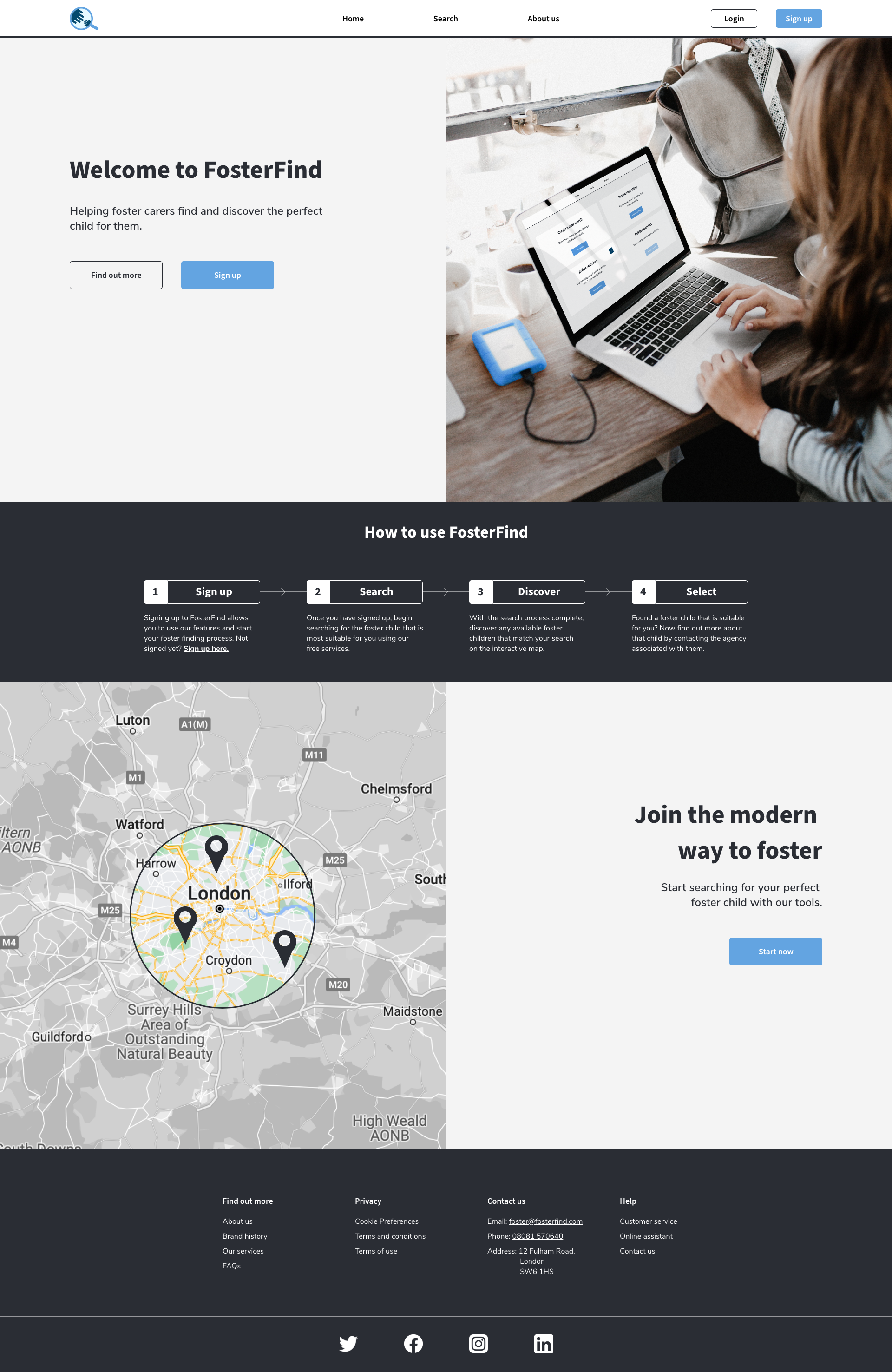
With over 100,000 children in care in the UK and the persistent shortage of foster placements, I designed FosterFind, a digital concept aimed at making the fostering process faster and more accessible. Over 13 weeks, I covered the end-to-end UX and brand design, from initial research with foster parents through to high-fidelity prototypes. The goal was to reduce the time children spend without a placement by connecting foster carers and children more efficiently through a dedicated safe digital service.
Planning
Project Planning
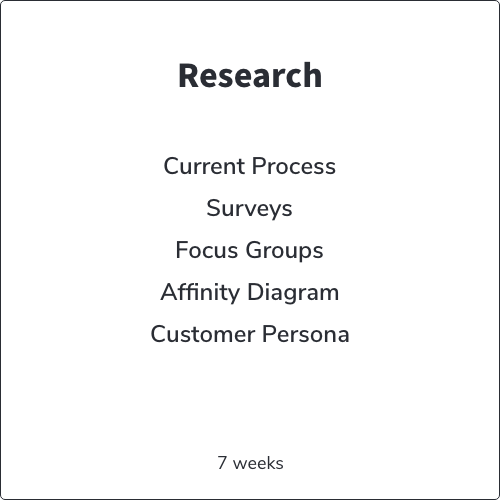
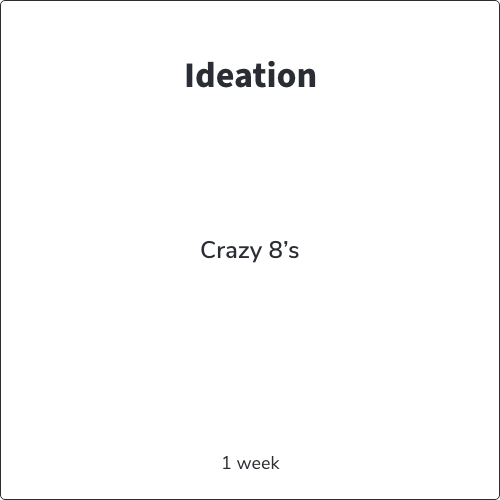
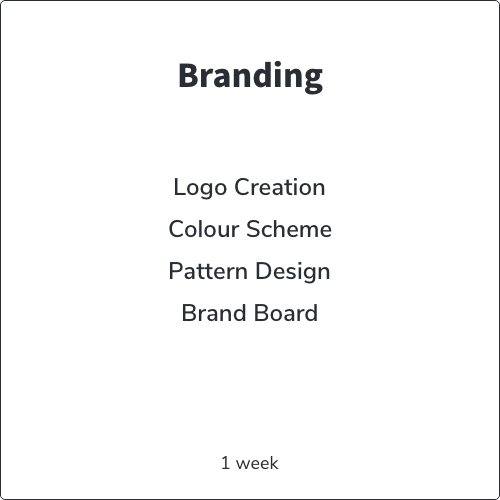
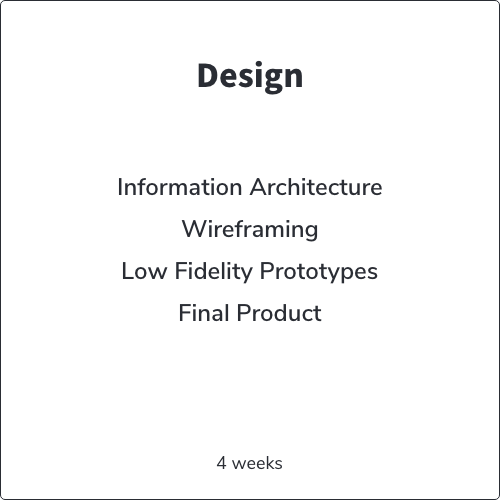
To organise this project, I used a Gantt Chart, breaking it down into 4 different sections. I created separate time scales for each section, with some of these overlapping another section.
Problem Statement
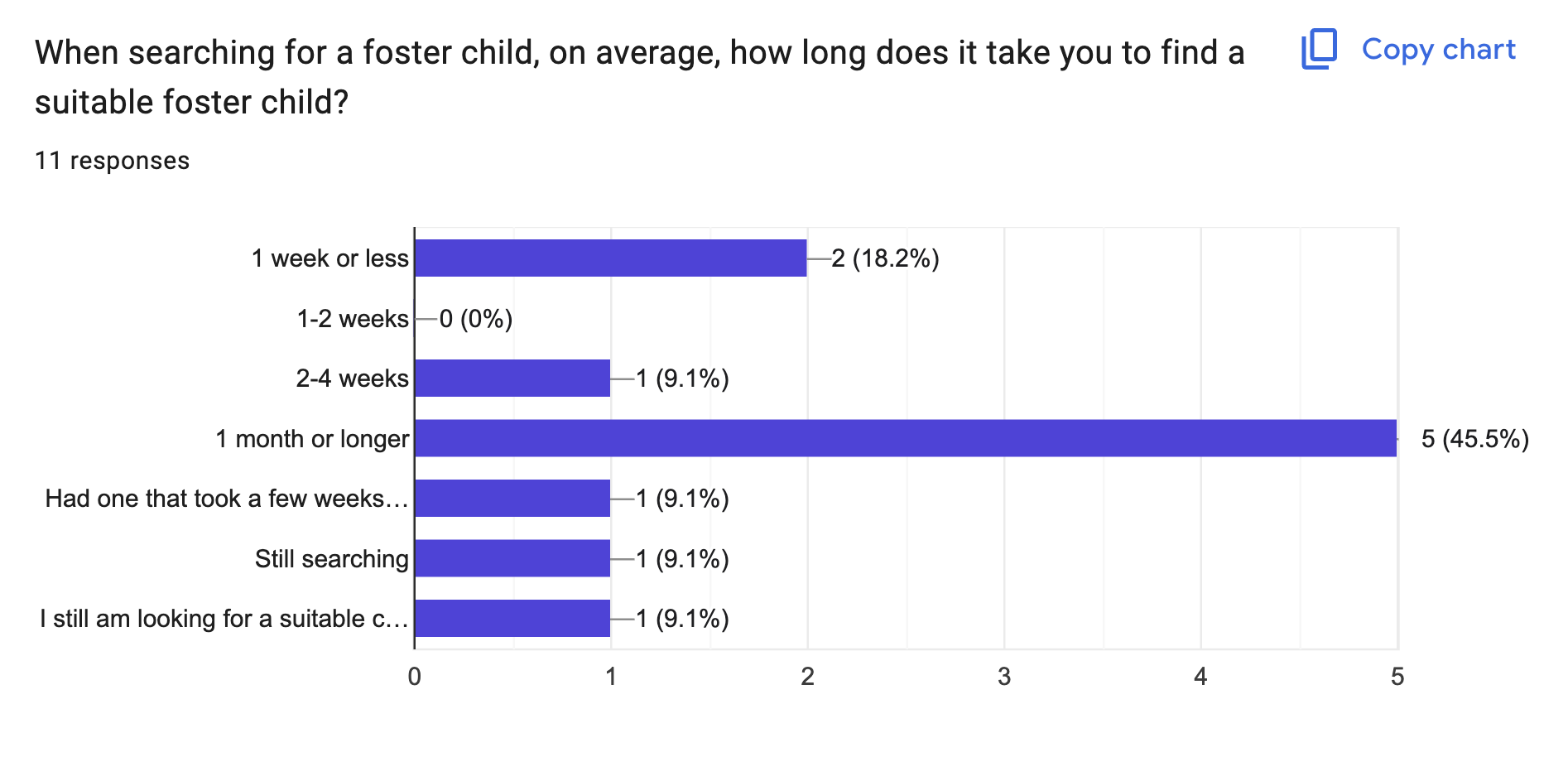
In recent years, there have been record-high numbers of children in care, leading to an increased demand for foster carers. However, despite this demand, finding a suitable foster child can take weeks, if not months for qualified foster carers. This results in more foster children waiting for a placement because of these delays, essentially causing a never-ending build-up of children in care, waiting for placements.
Secondary Research
Current Process
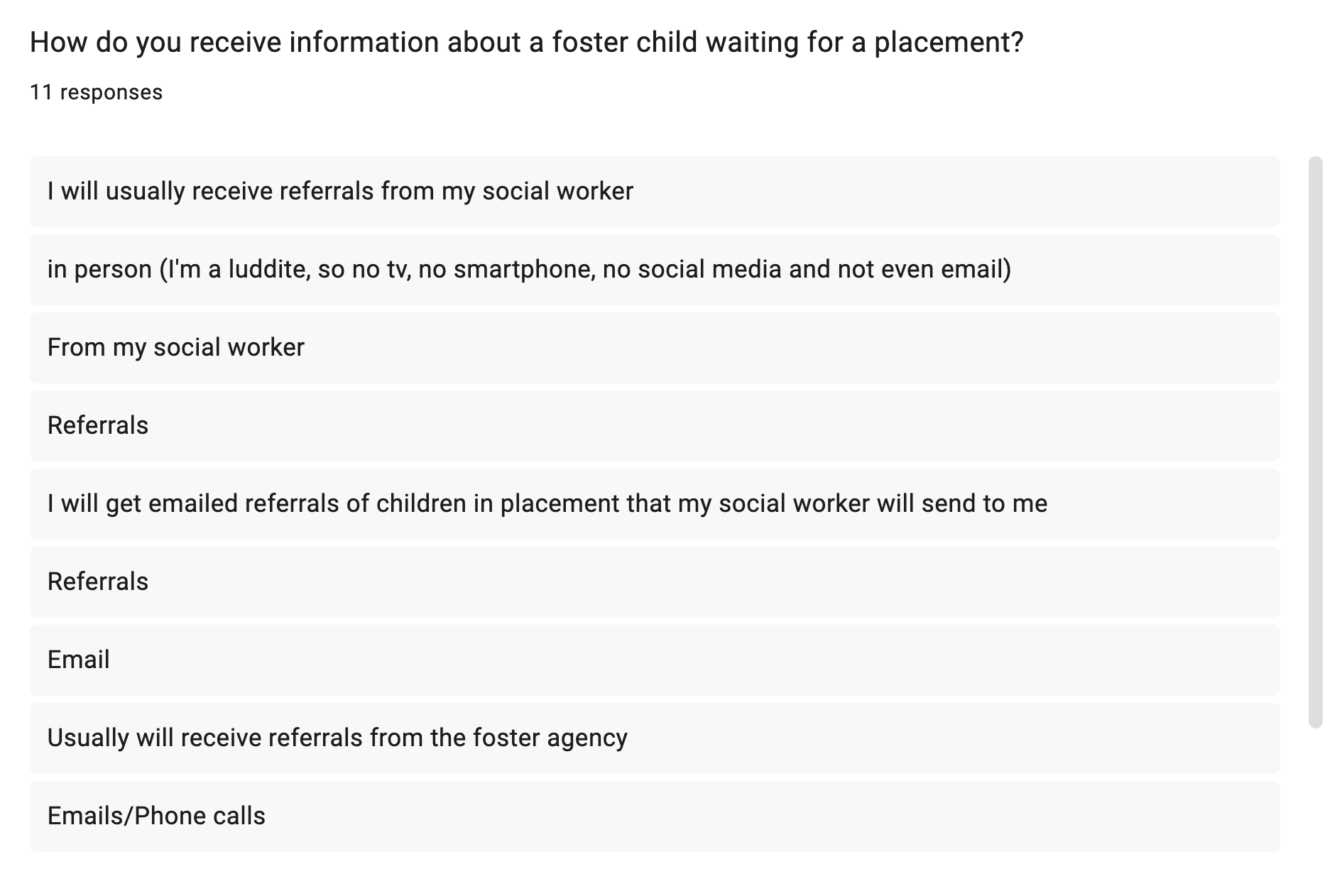
I researched and analysed the current process for a foster carer finding a child, with the leading source of this research coming from the children’s charity Barnardo’s. I identified that for the early stages of this process, the foster carer was heavily reliant on the social worker. Therefore, I focused on how a foster carer can become less dependent on the social worker during this initial stage.
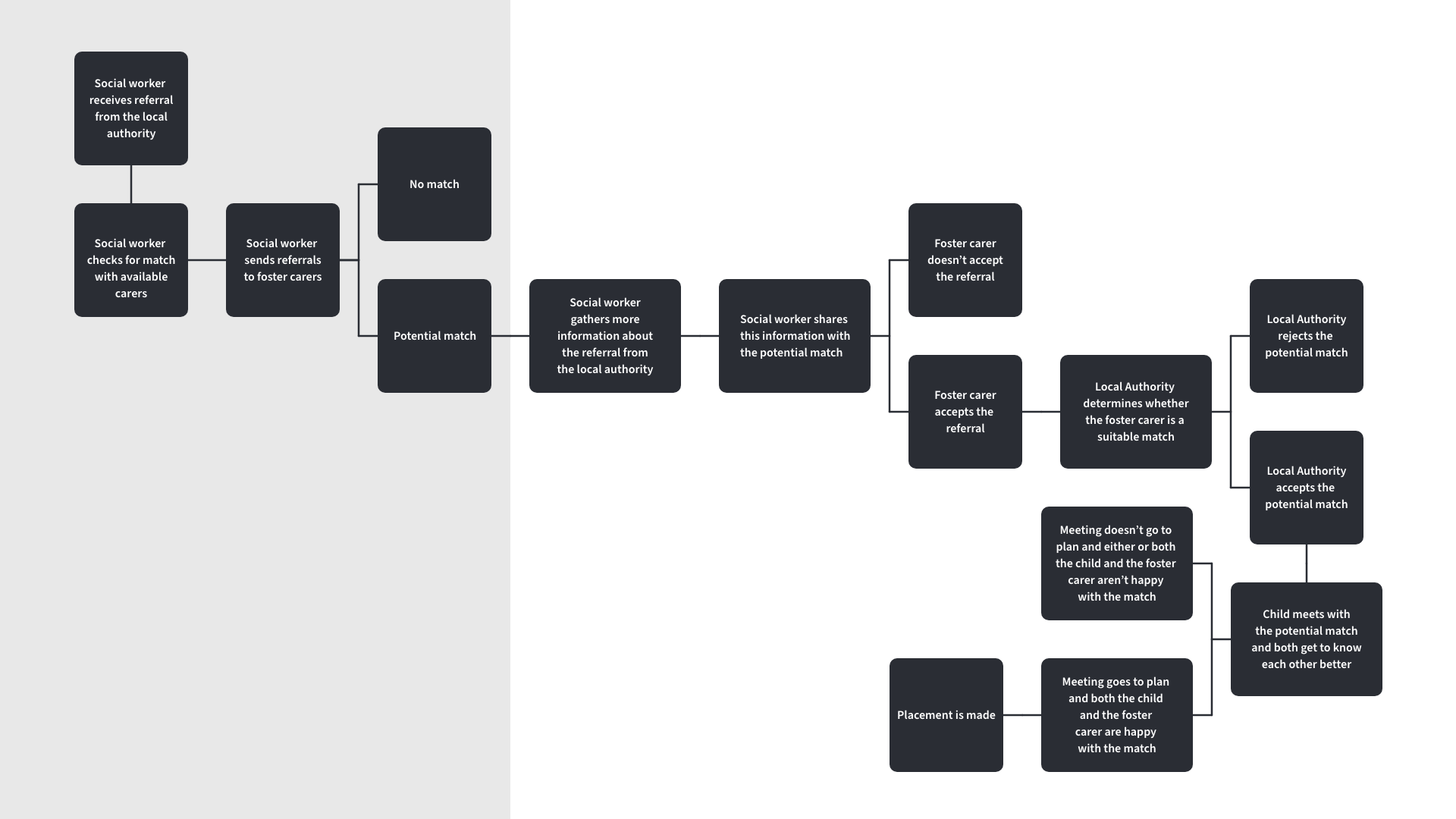
The Fostering Process
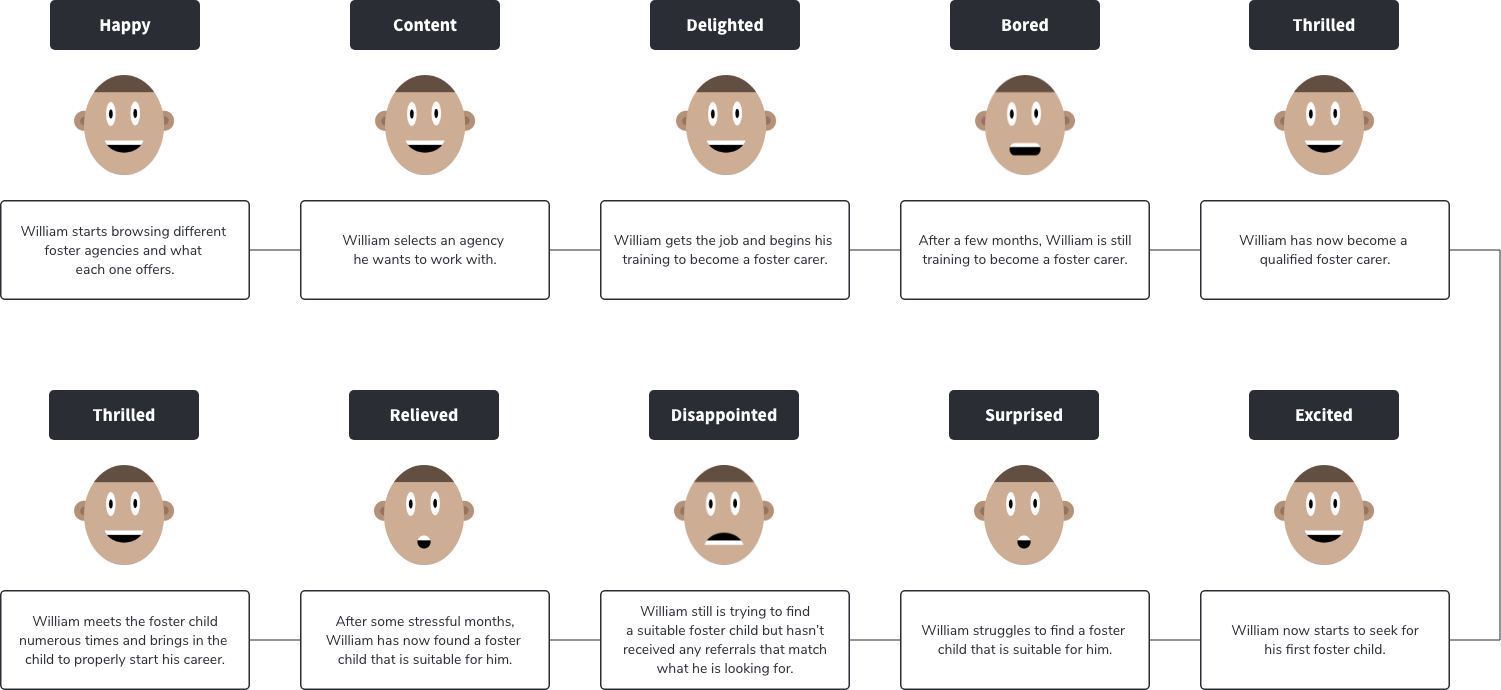
I outlaid the journey of a first time foster carer aiming to foster a child to gain a clearer understanding of the key stages, emotions and pain points during these initial stages.
User Research
Surveys
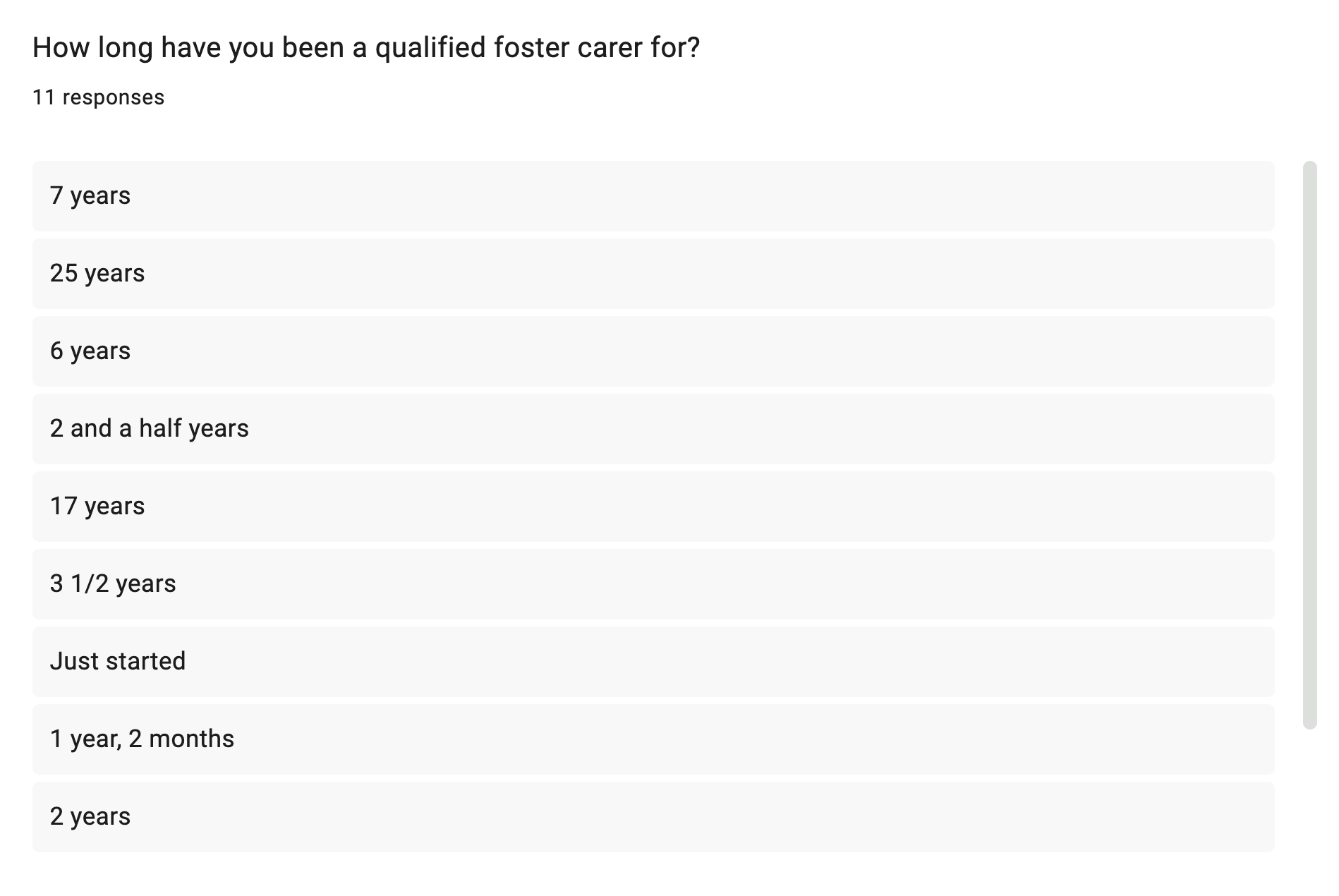
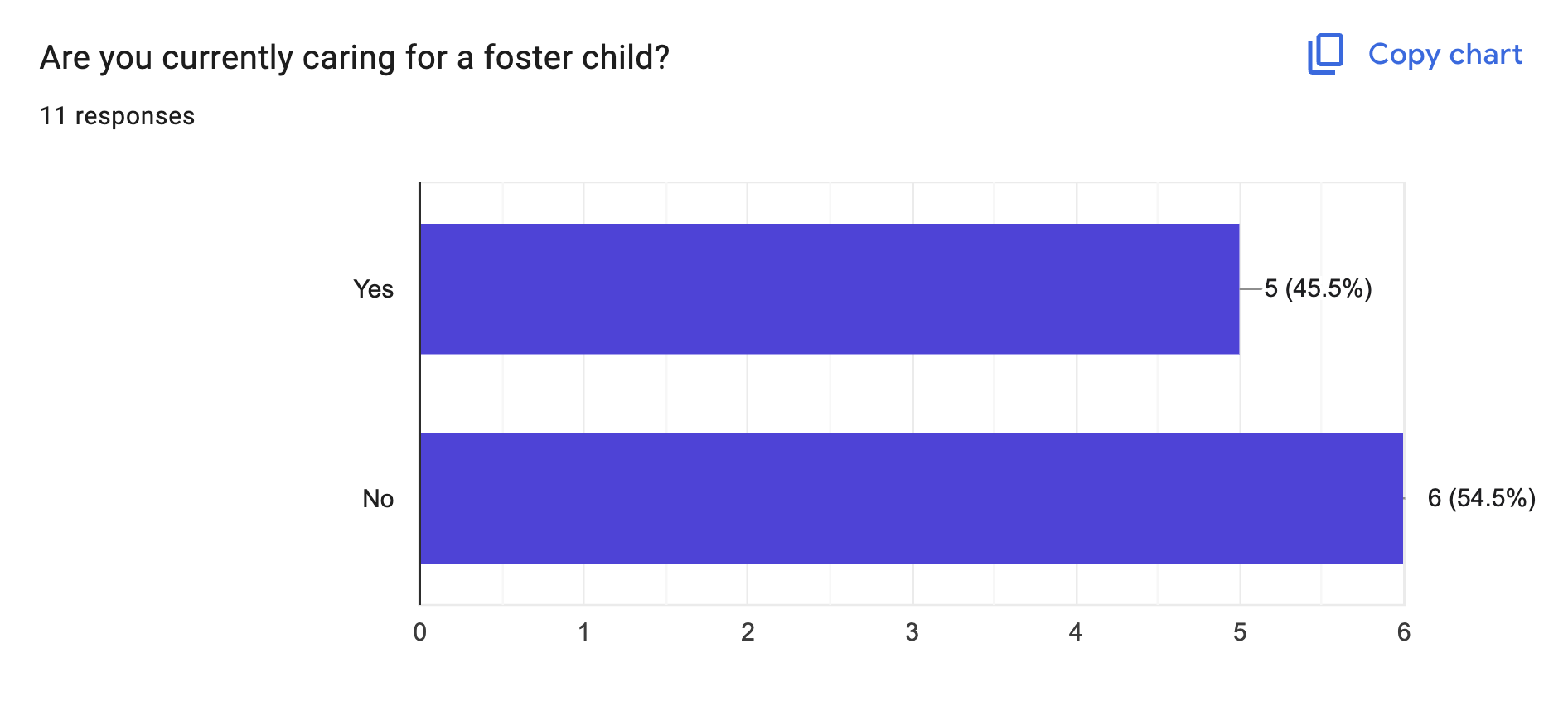
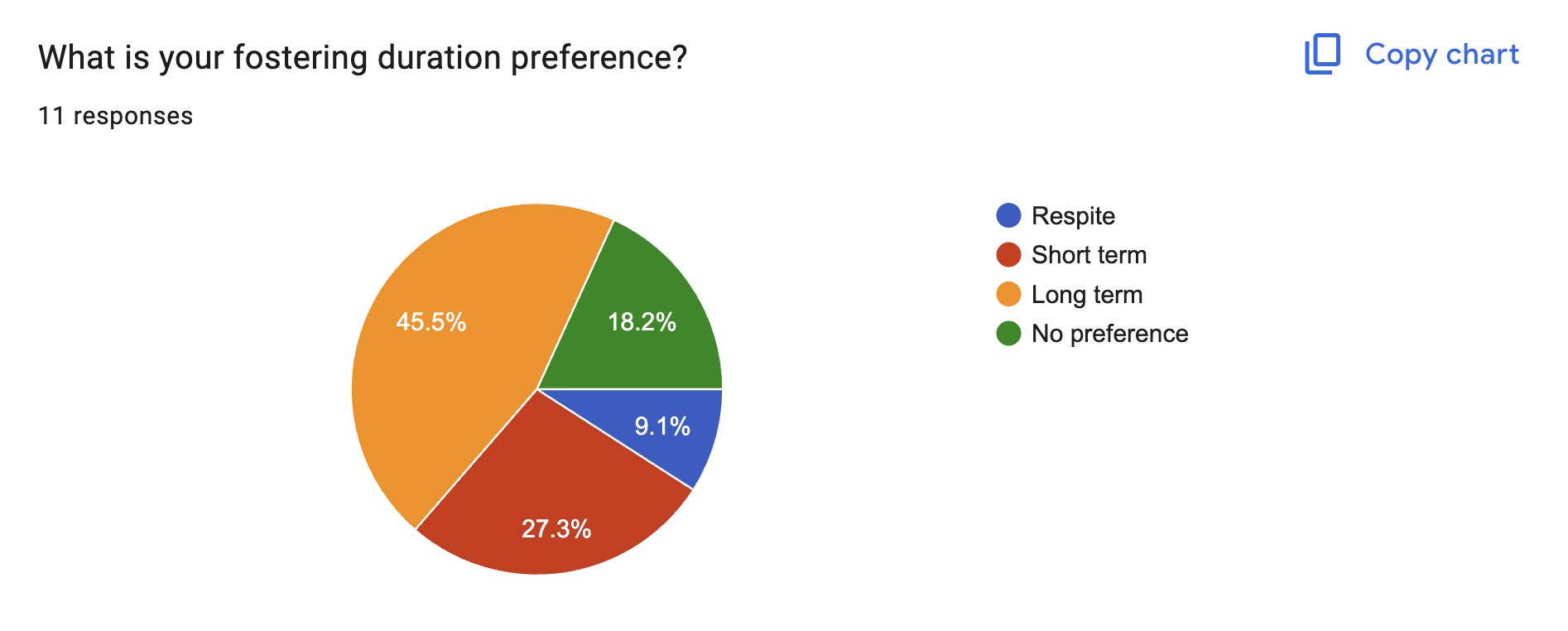
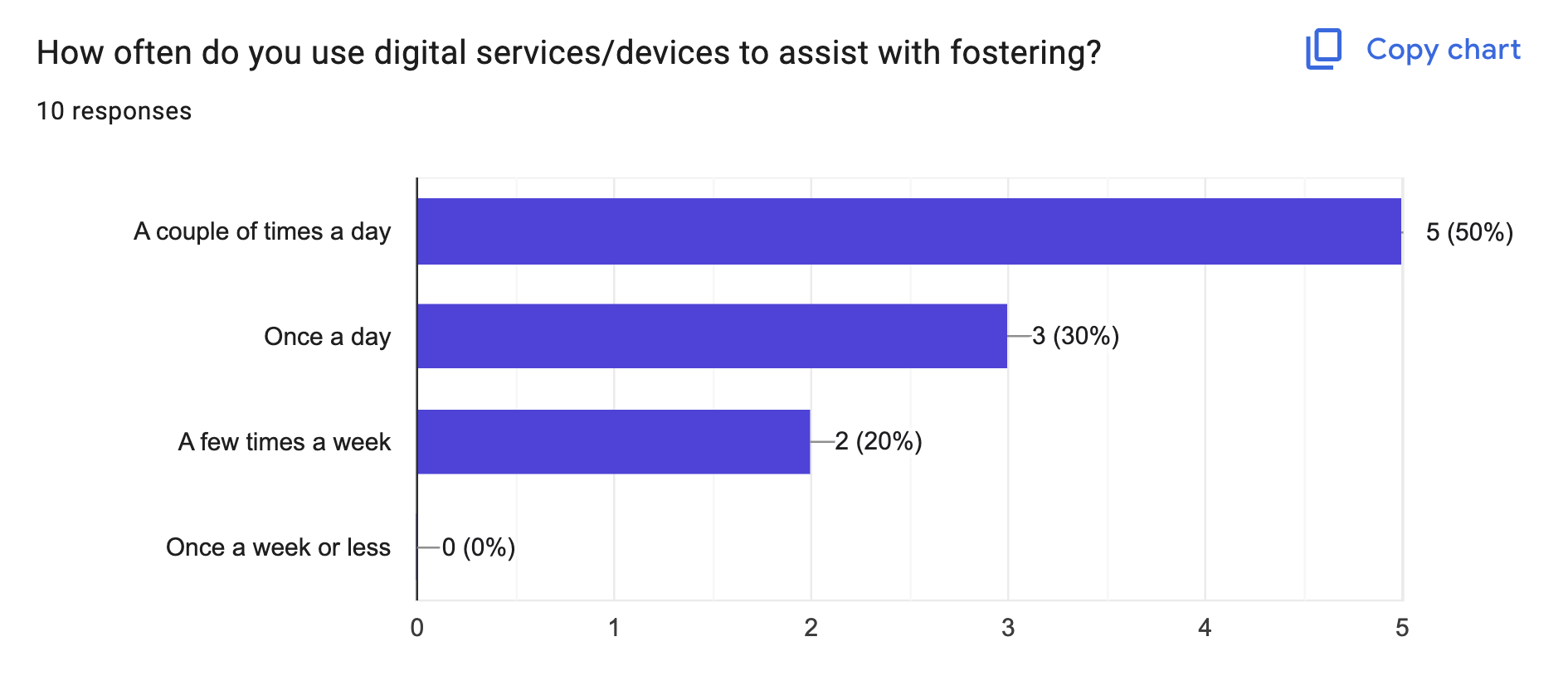
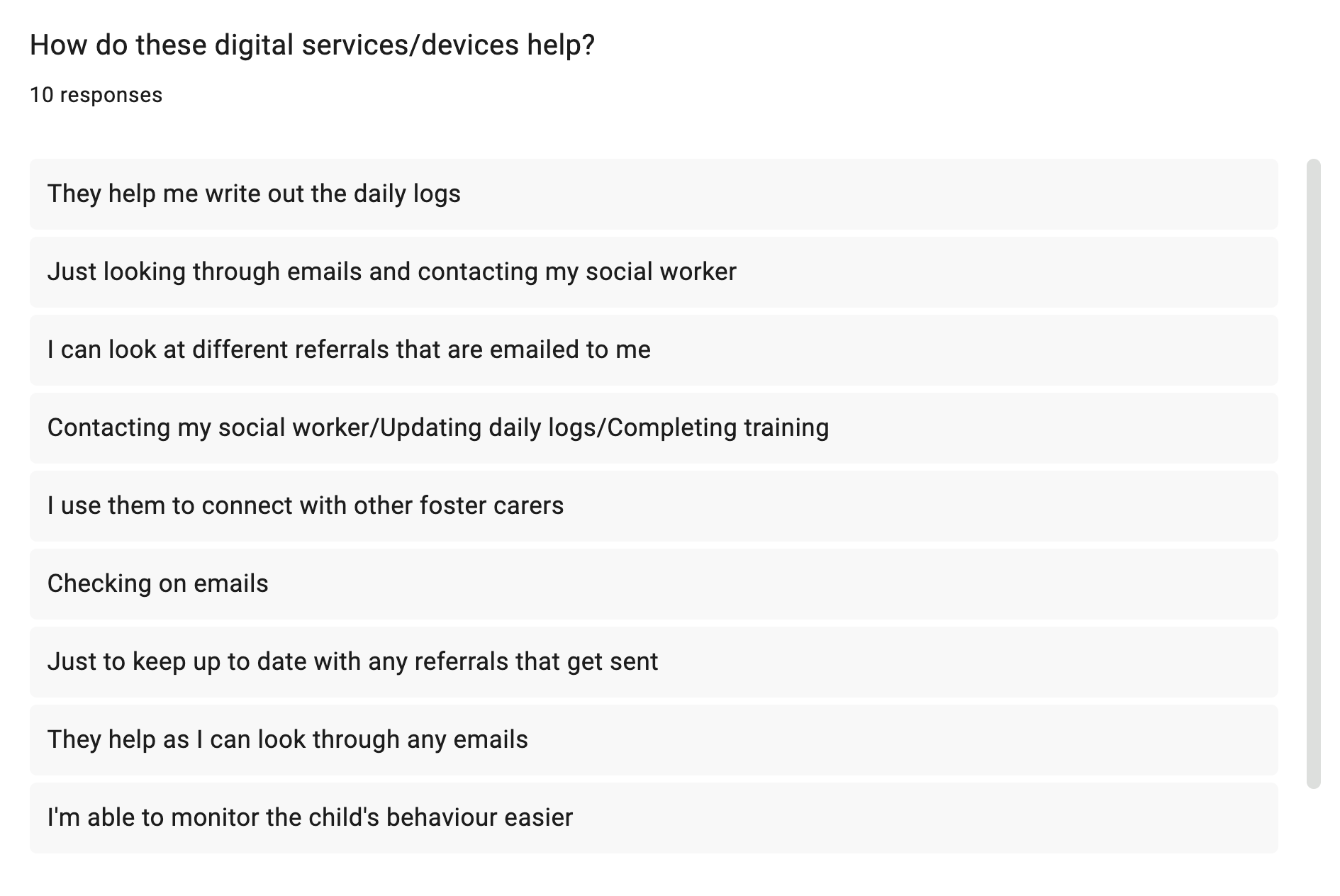
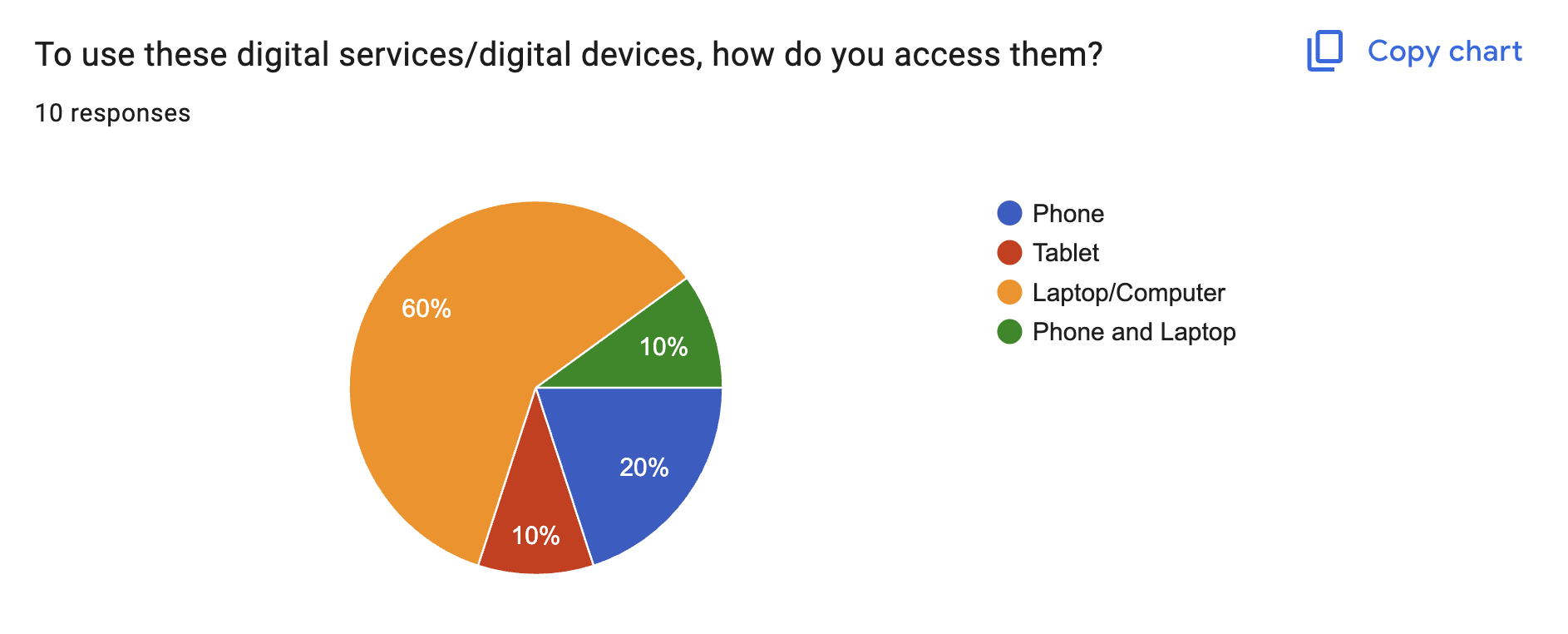
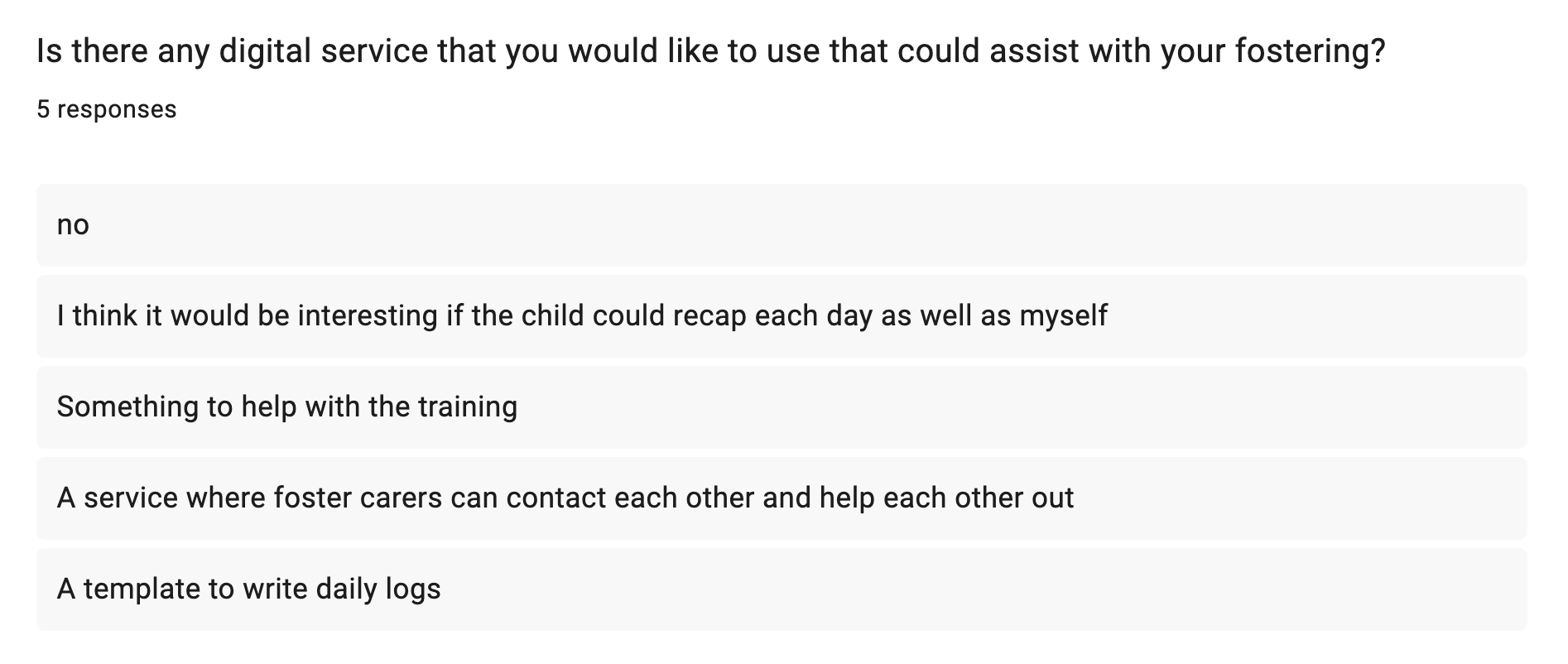
To gain a clearer understanding of the needs and pain points of foster carers, I sent out a survey to various online fostering forums in an attempt to collect some data. In total, I received 11 responses with majority of the respondents answering most questions.
Affinity Diagram
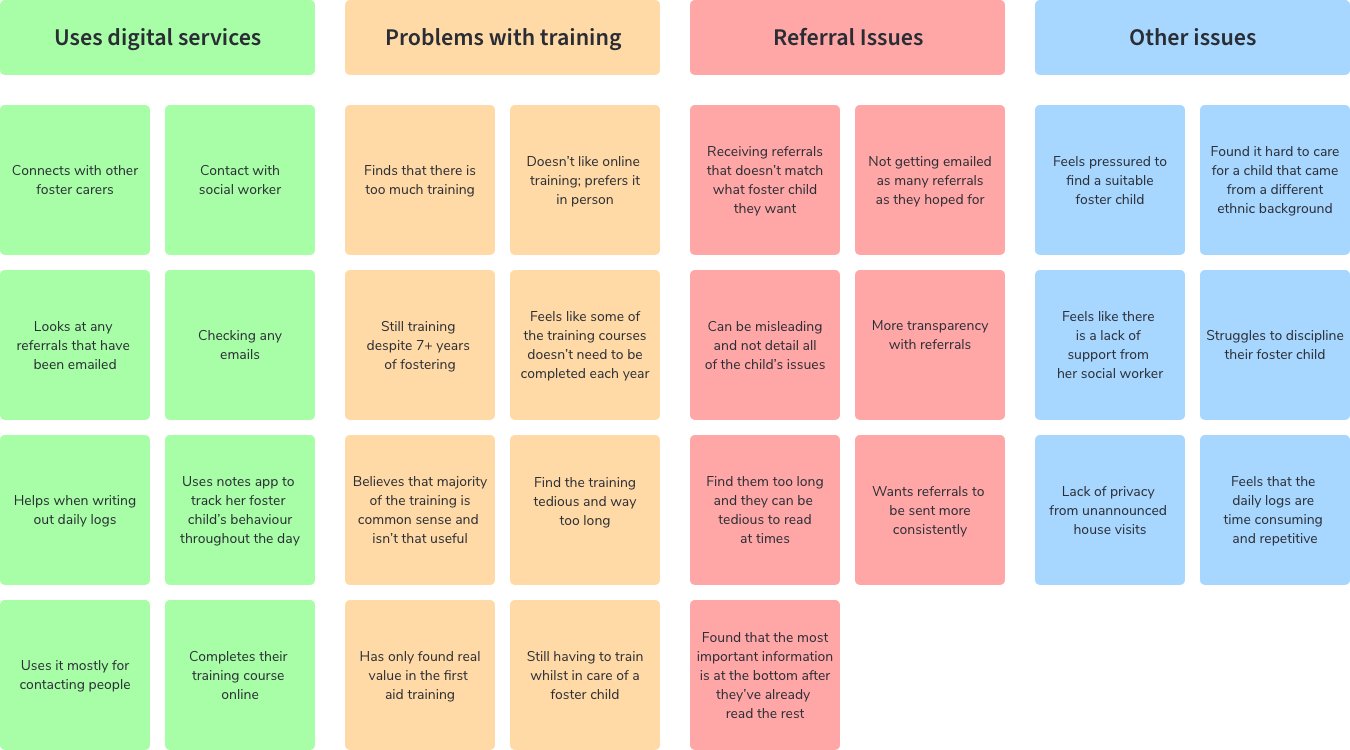
After collecting 11 responses from my online survey, I also led an virtual focus group which consisted of 4 active foster carers that I found online. Based on their answers and the survey results, I created an affinity diagram to show any consistent problems in a clear format.
Customer Persona
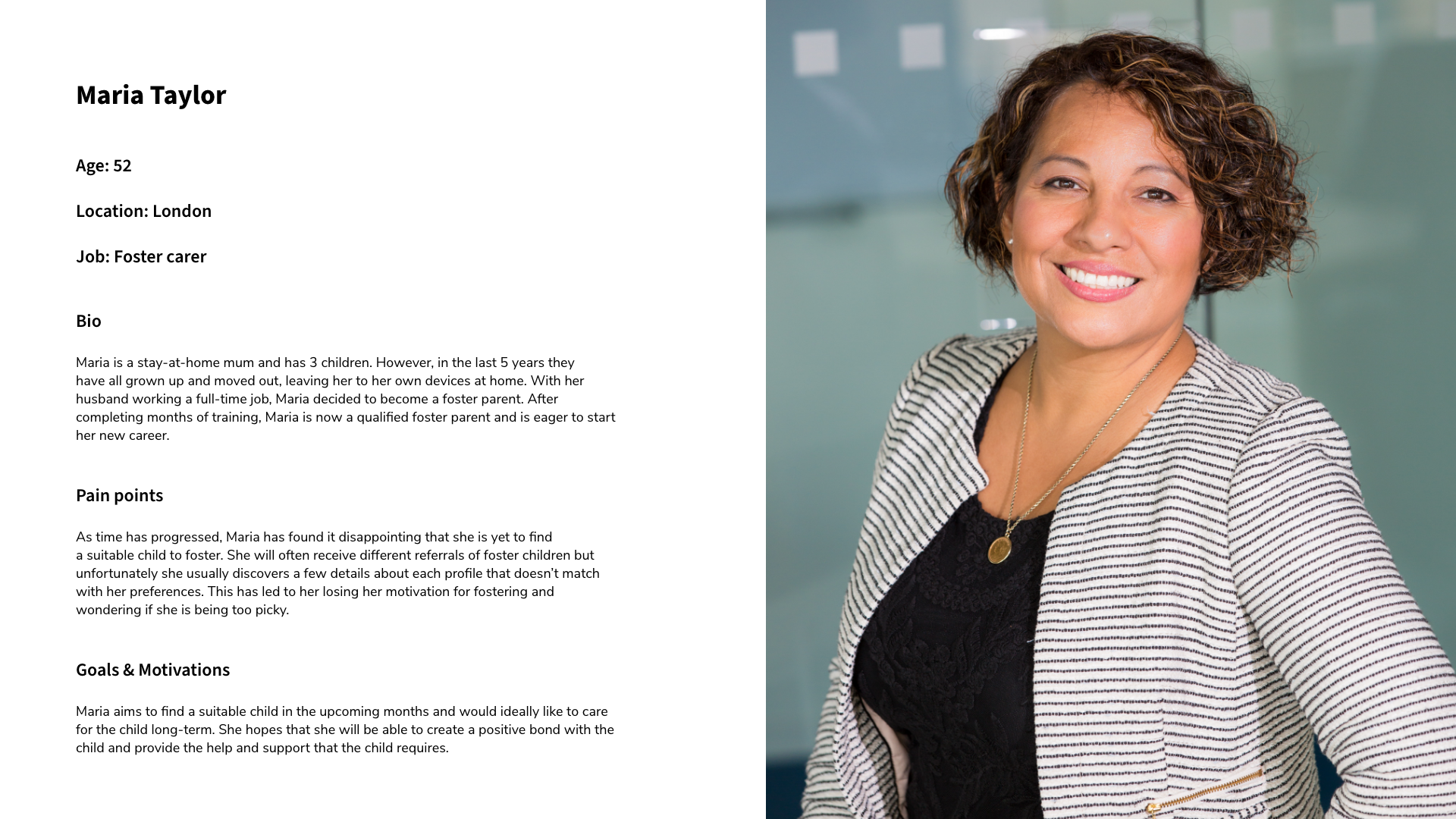
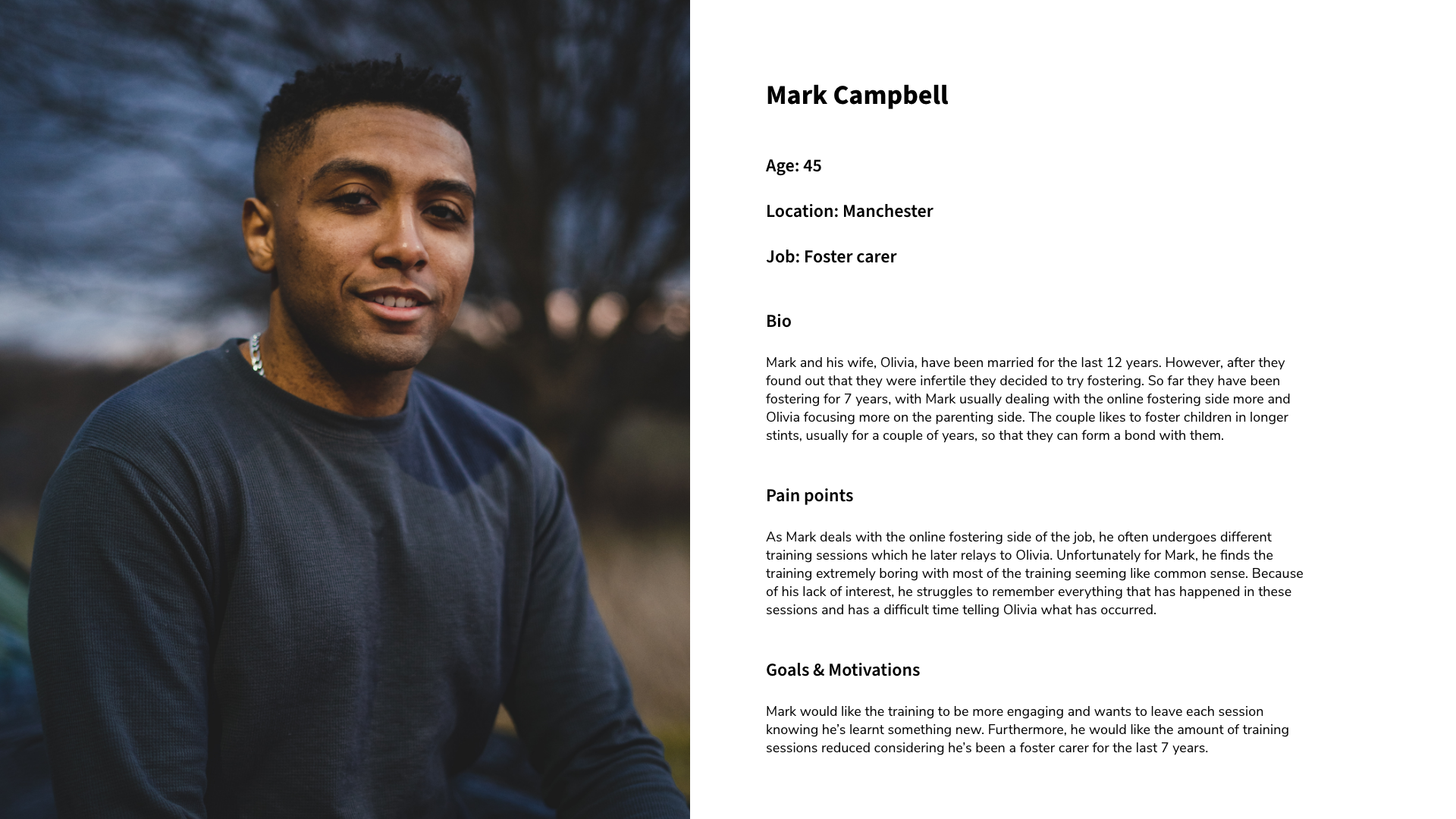
I am aiming to create this service specifically for foster carers. I decided on this as foster carers currently lack a digital service to assist them in finding a suitable foster child, often having to rely on their social worker. Therefore, I have created two customer personas based on this target audience which is supported by my findings in the focus group and surveys.
Ideation
Idea Generation
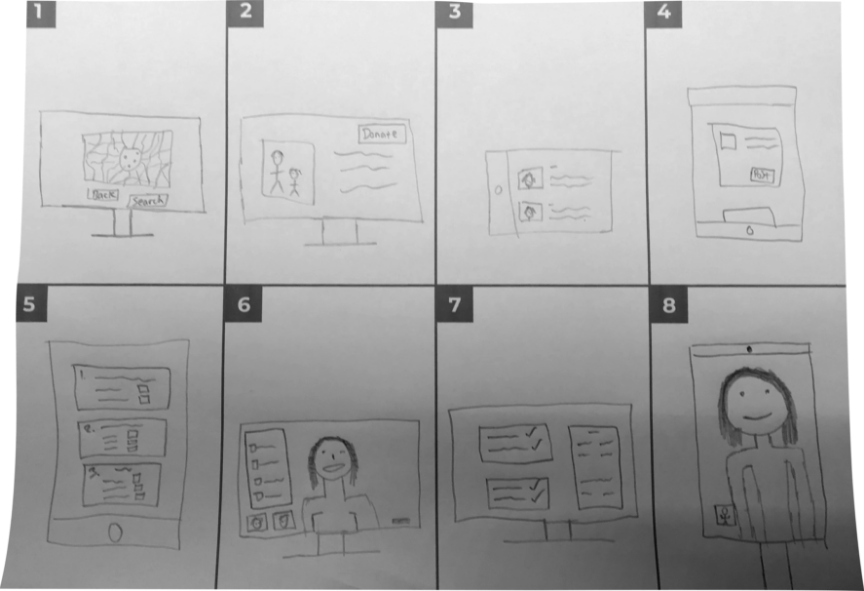
Using the research that I had collected, I began idea generating using the crazy 8s exercise in order to produce a number of different ideas in a short amount of time. My main focus on these ideas were how a foster carer would benefit from these concepts as they were my intended audience.
Design
Information Architecture
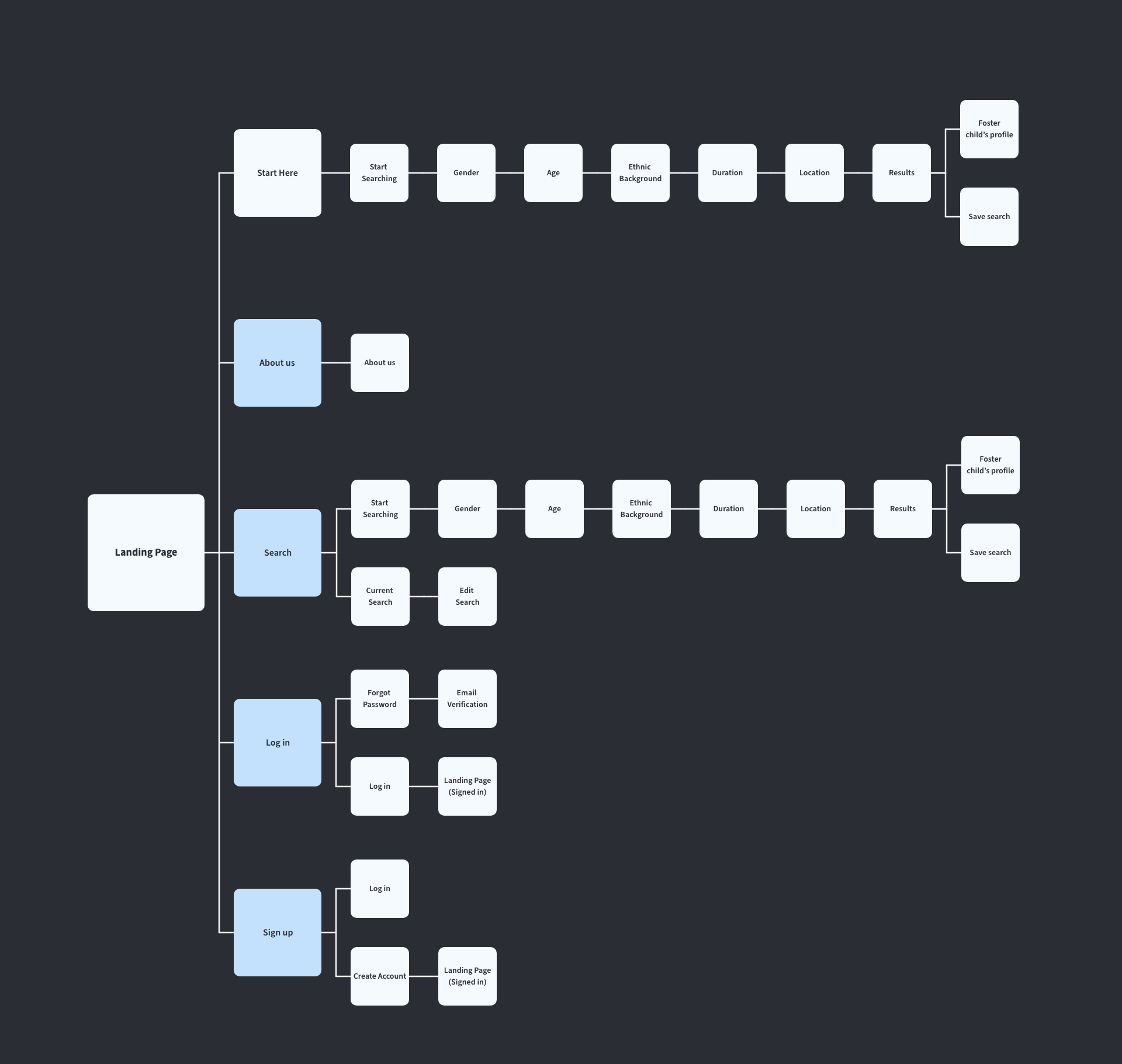
To help with the creation of the wireframes, I designed an information architecture to create a rough plan of how the website will function as well as the structuring of it. The key goal here was to identify what was going to be in the navigation menu and subsequently where it would take the user.
Wireframing
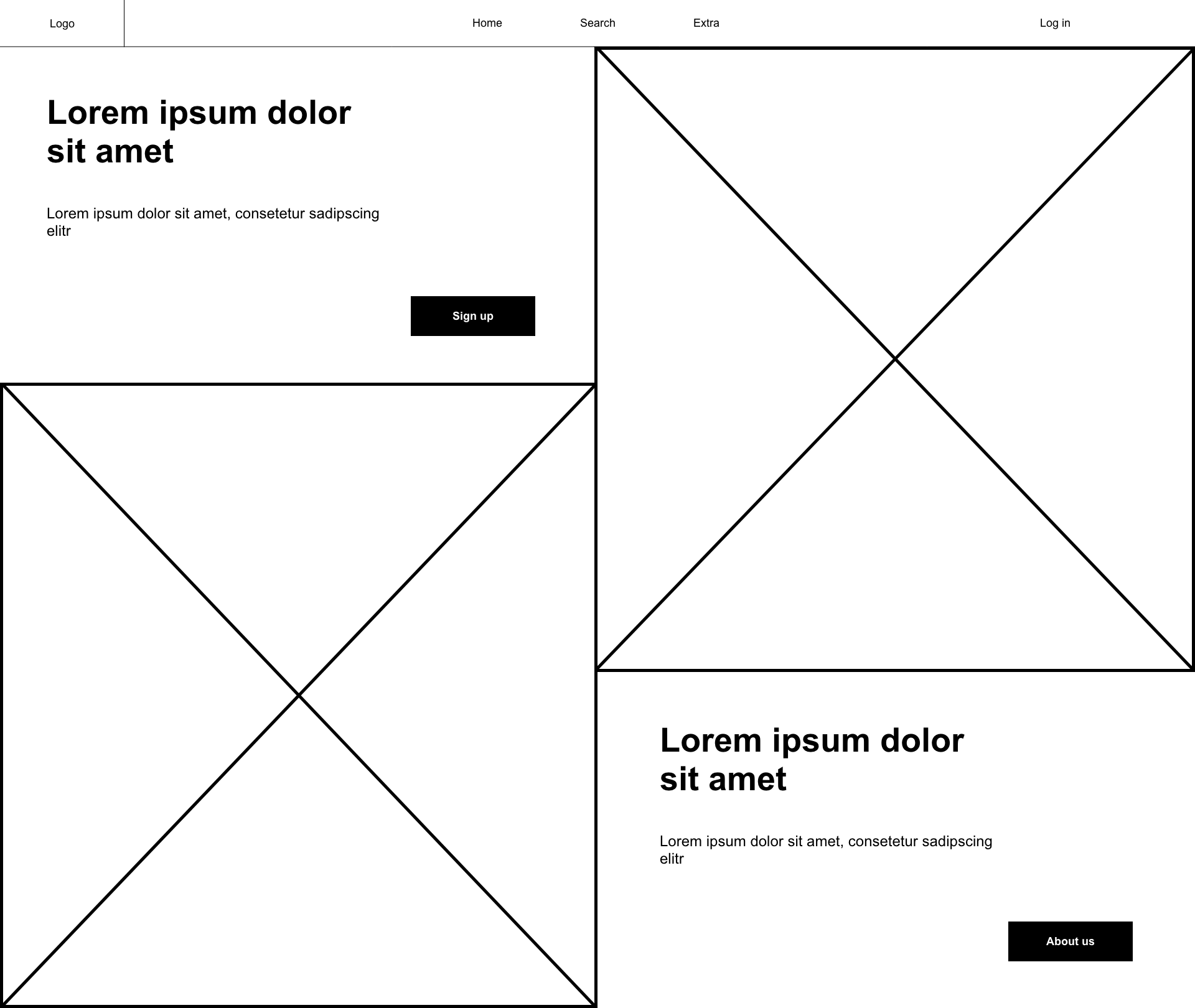
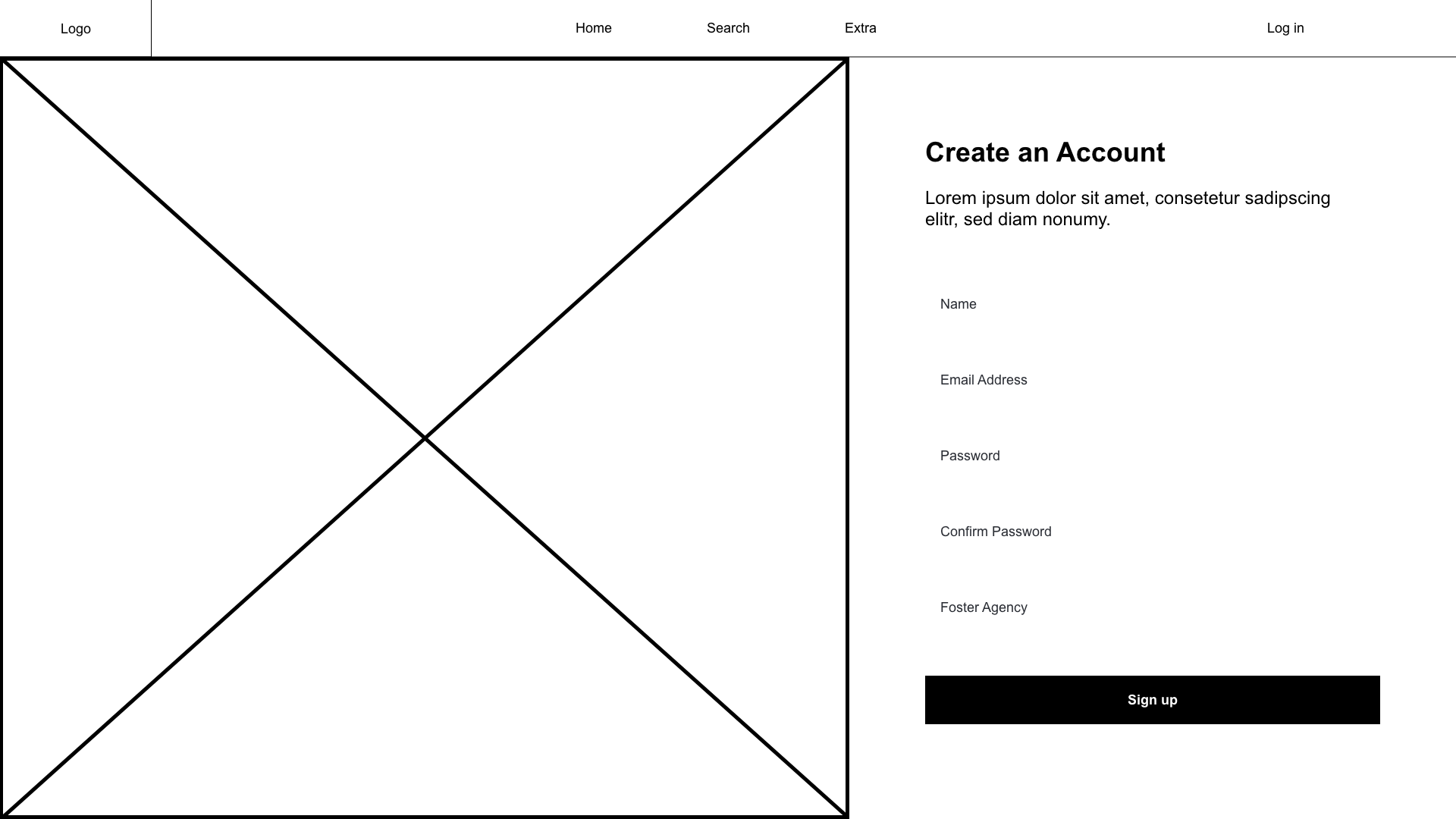
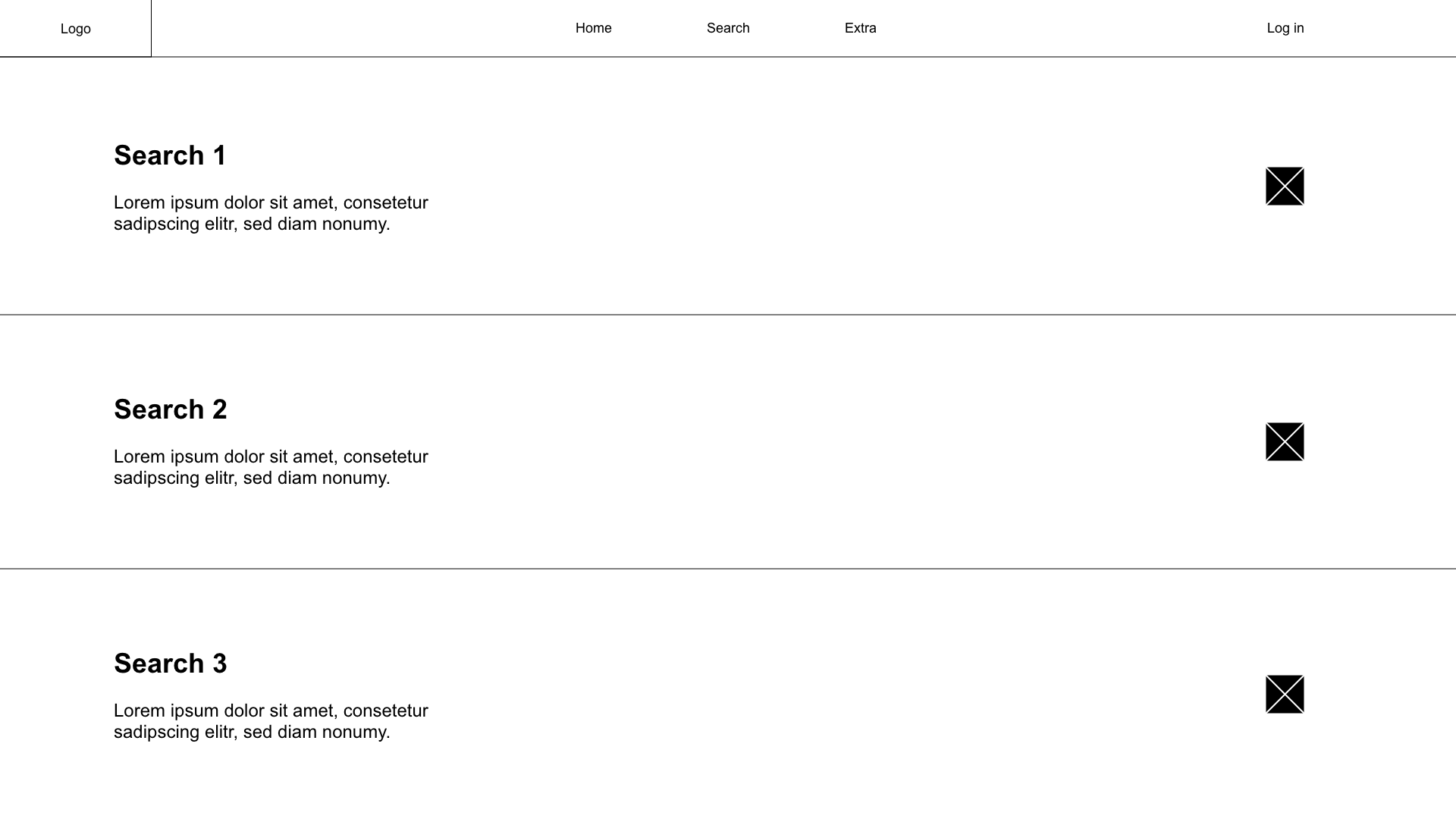
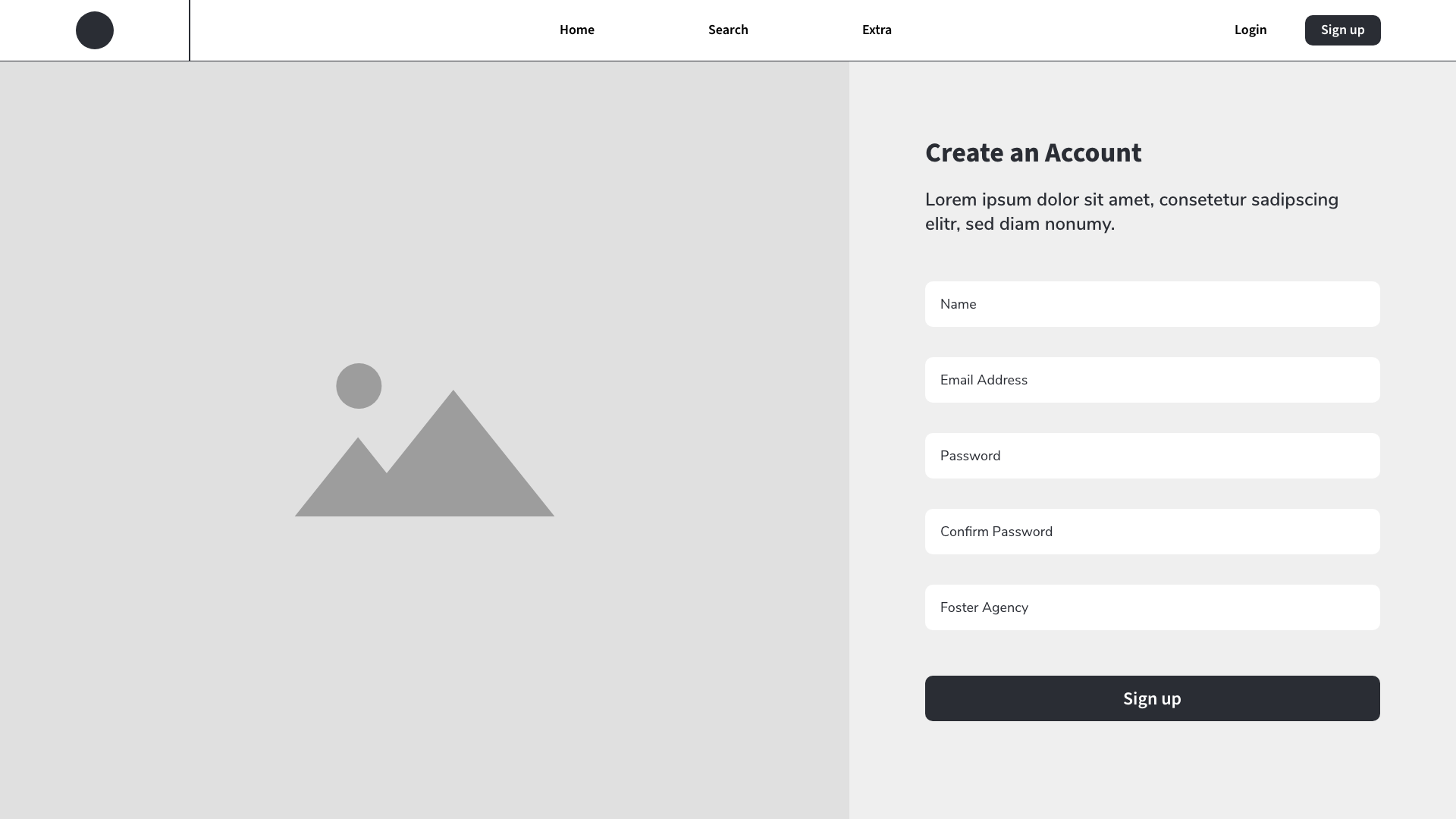
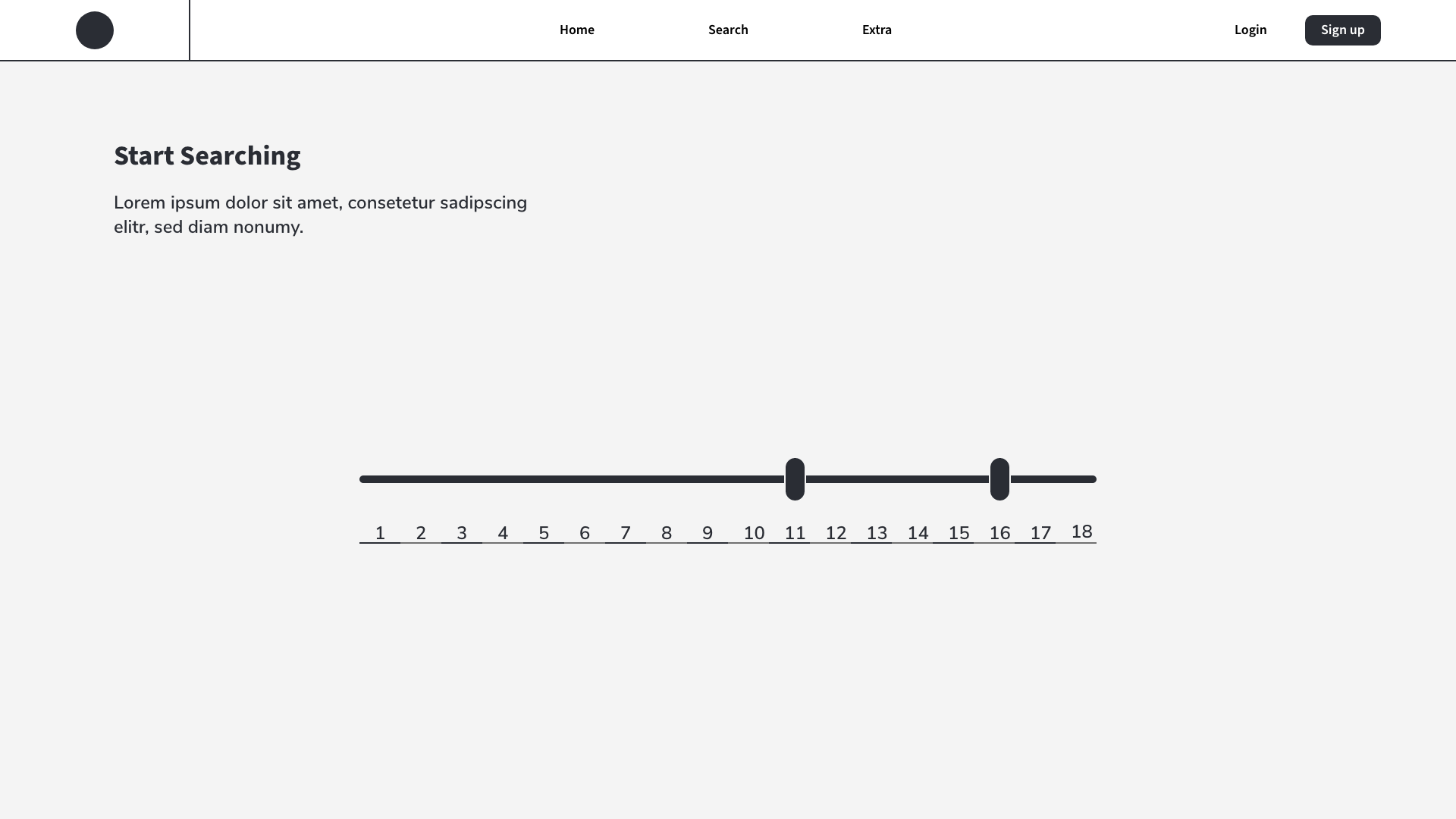
In order to experiment with different layouts for the site, I began wireframing a few of the main screens. As I had planned to create low-fidelity prototypes, I deliberately made these wireframes very simplistic, allowing the layout to be changed and altered at ease.
Low Fidelity Prototypes
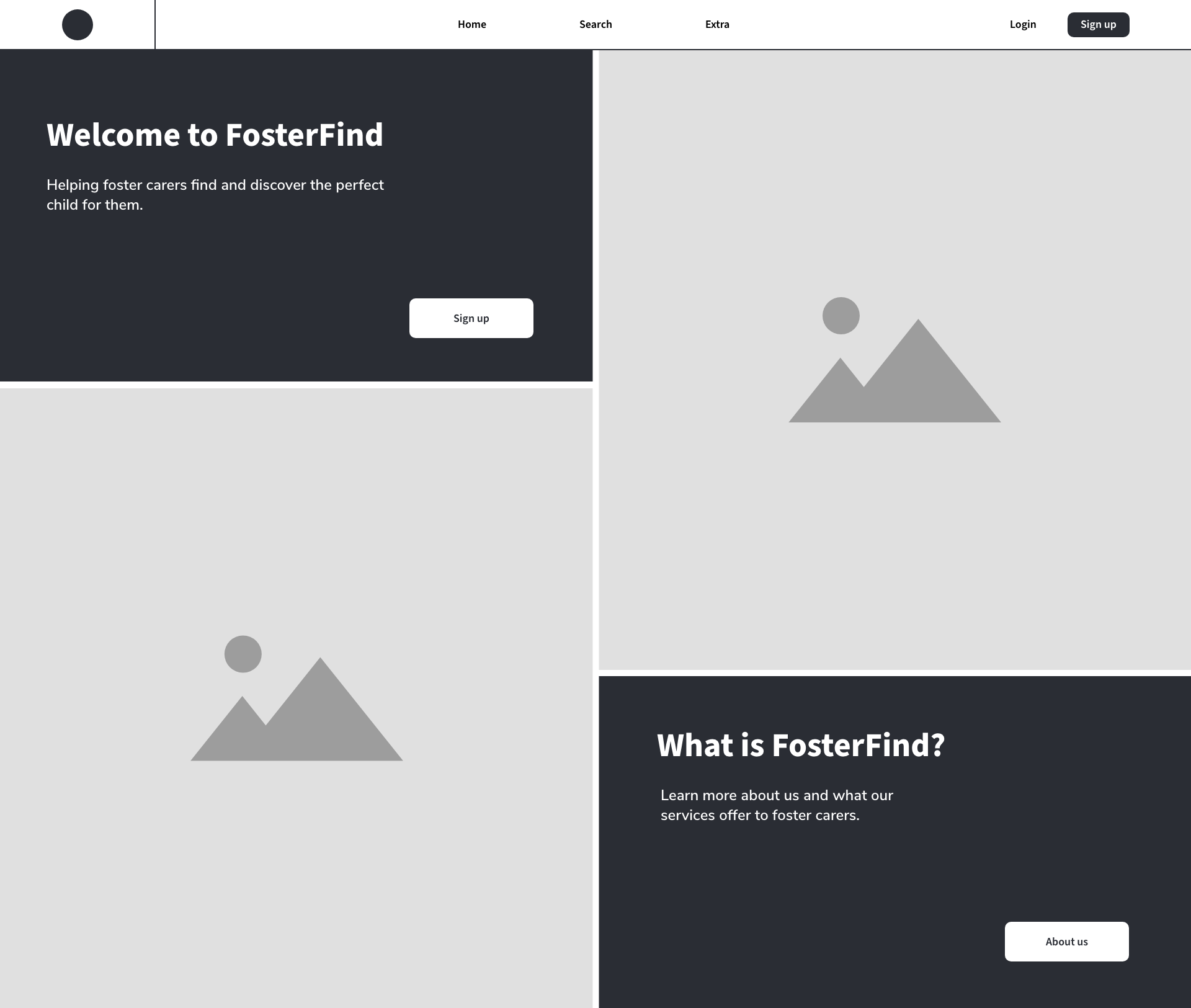
I intended to increase the detail of the screens during the low fidelity prototype stage, using the wireframes as a starting point. Whilst I still had a focus on the layout of these screens, this stage allowed me to gather initial thoughts on the content that would be on each page
Branding
Brand Board
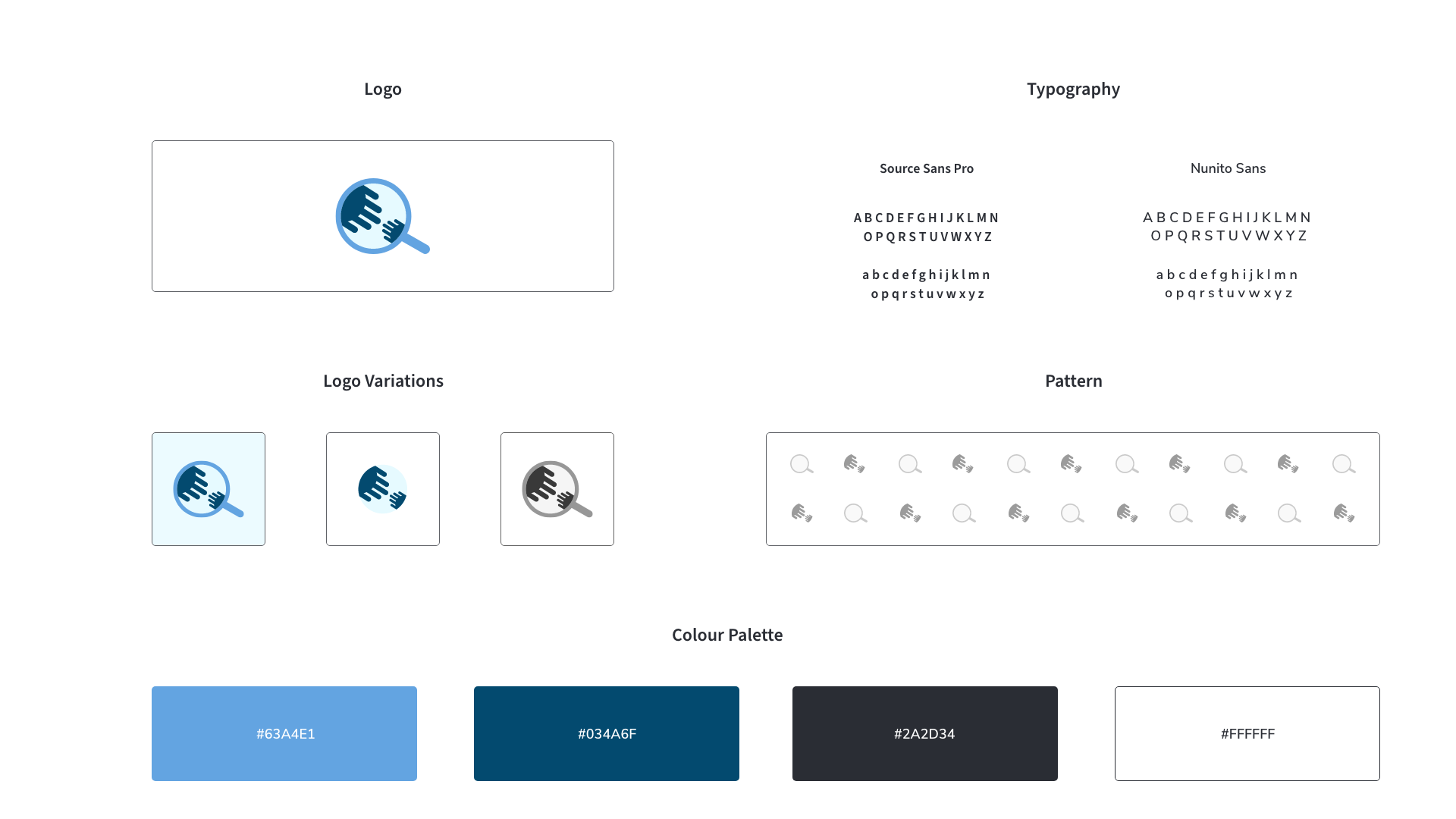
As I was creating my own concept, I intended on creating some branding for it that would influence the website’s appearance, such as colour scheme and typography used. I also invested some time into creating a logo, which had a few variations and was a key part in the brand’s pattern, which was also featured heavily within the website.
Final Product
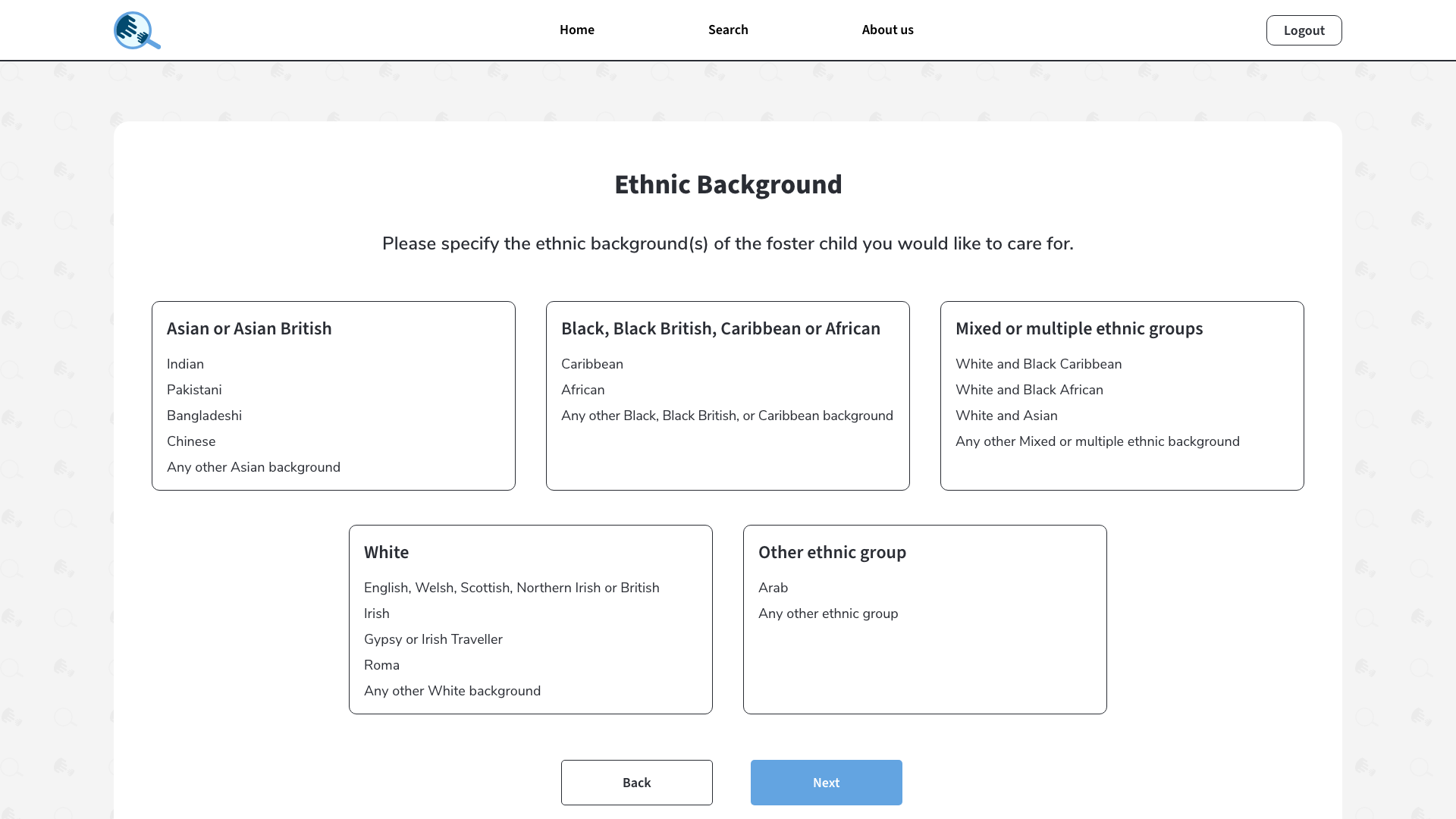
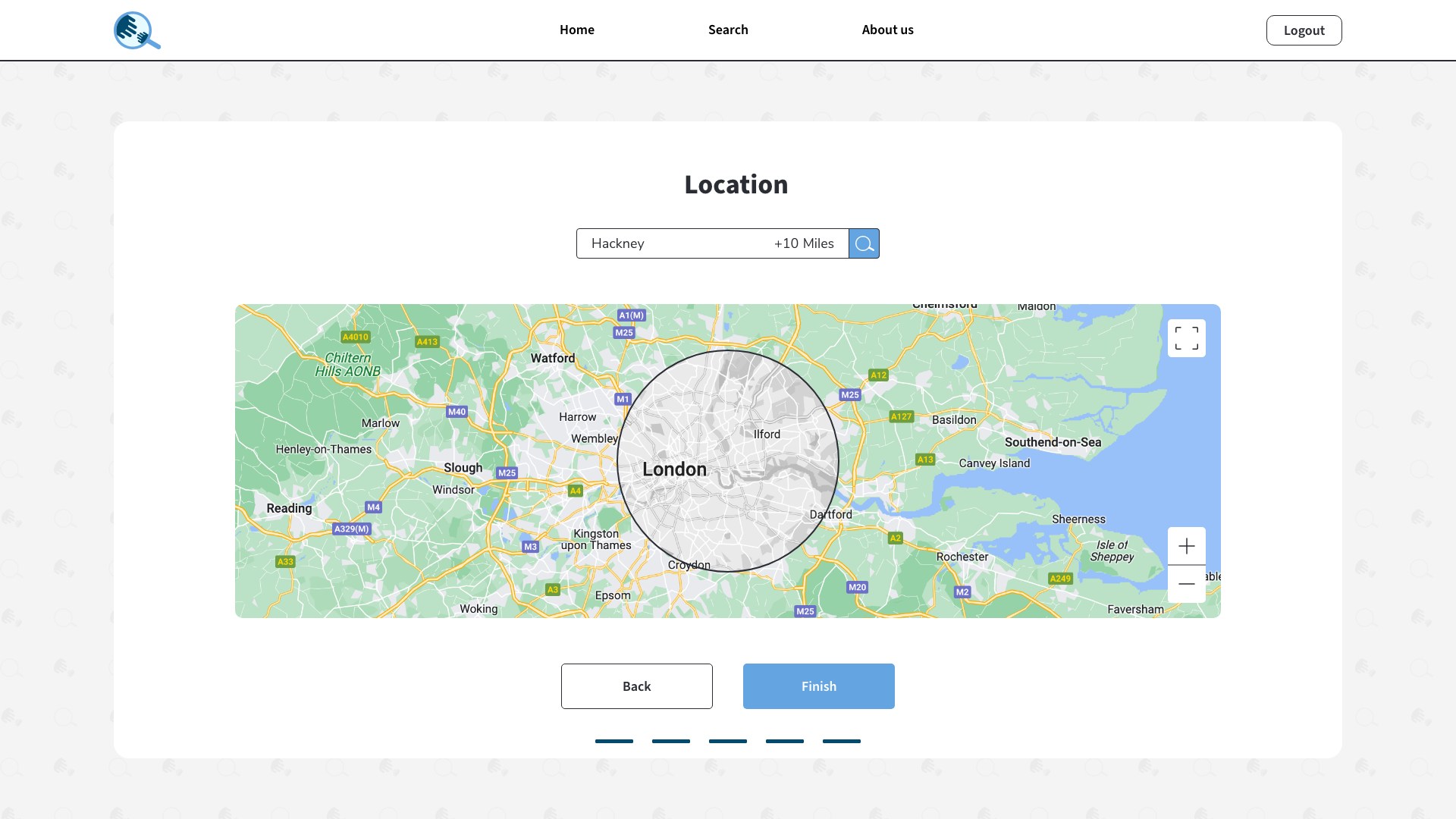
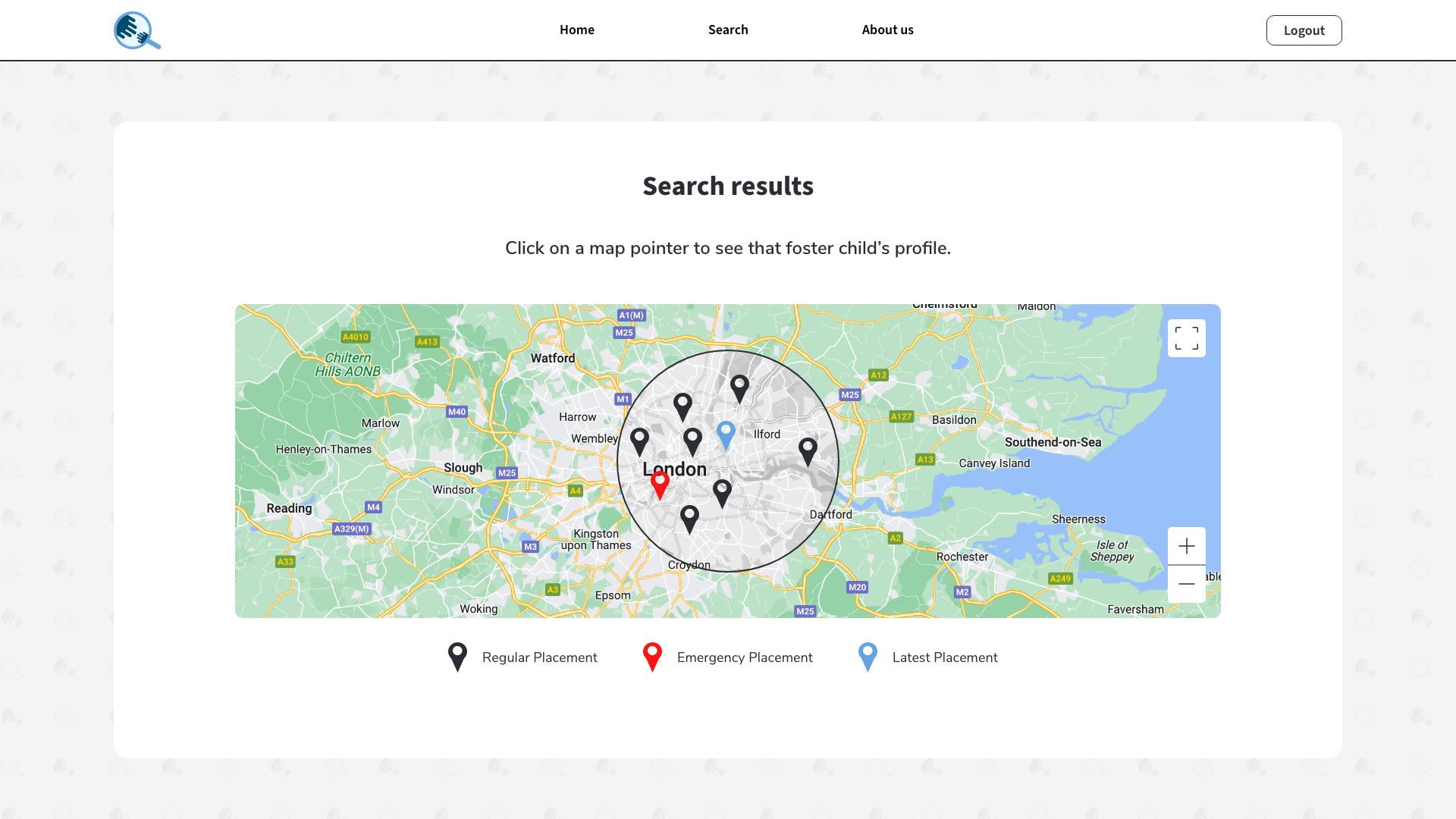
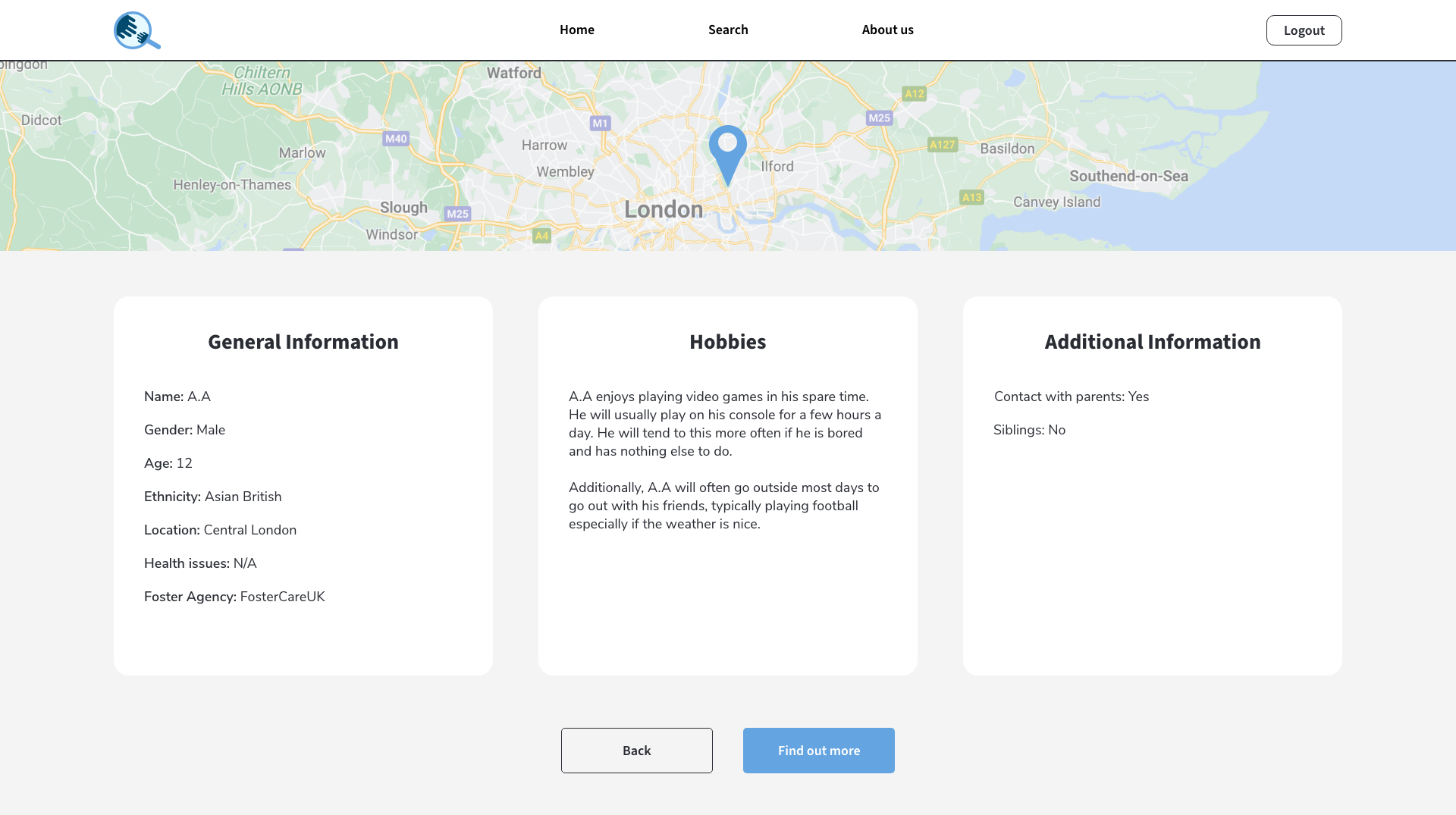
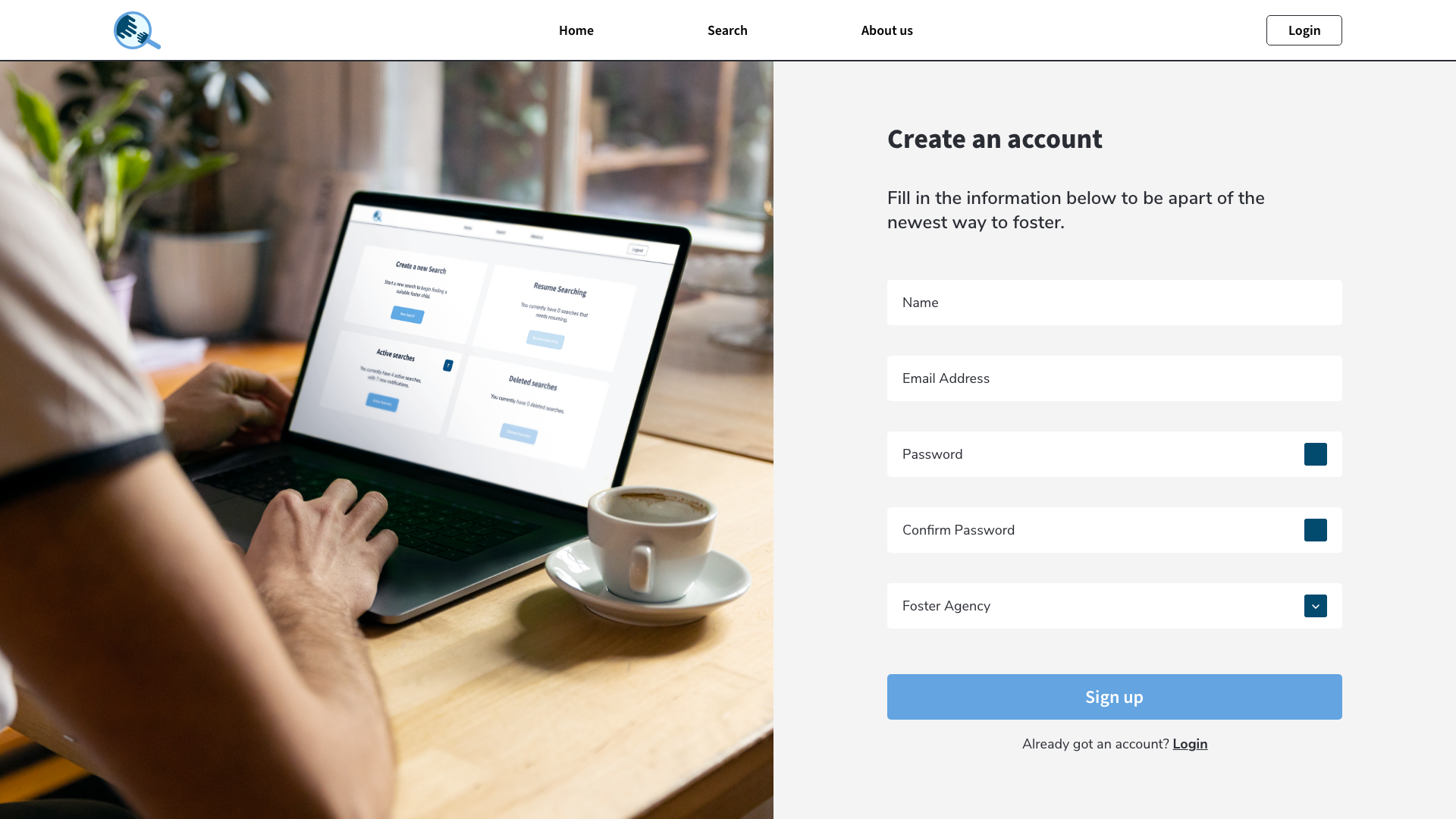
Project Conclusion
Project Review
Looking back at this project in its entirety, I am content with how this project has turned out. I do think that I met the project goal that I outlined in the early stages of the project but I still think that there were parts that could be improved upon and therefore would result in an enhanced final product.
One of the parts of this project that I will learn from is dealing with setbacks better. I was ill for a few weeks of this project, which halted progress and made it harder to come back to this project knowing the time and momentum lost. This also made me reevaluate my project planning and led to a shorter design stage as initially intended due to the lost time.